How do older adults themselves perceive what it means to age in a healthy way? In a new study based on interview data from SNAC-K, researchers explored this through focus group interviews with 34 participants from Kungsholmen.
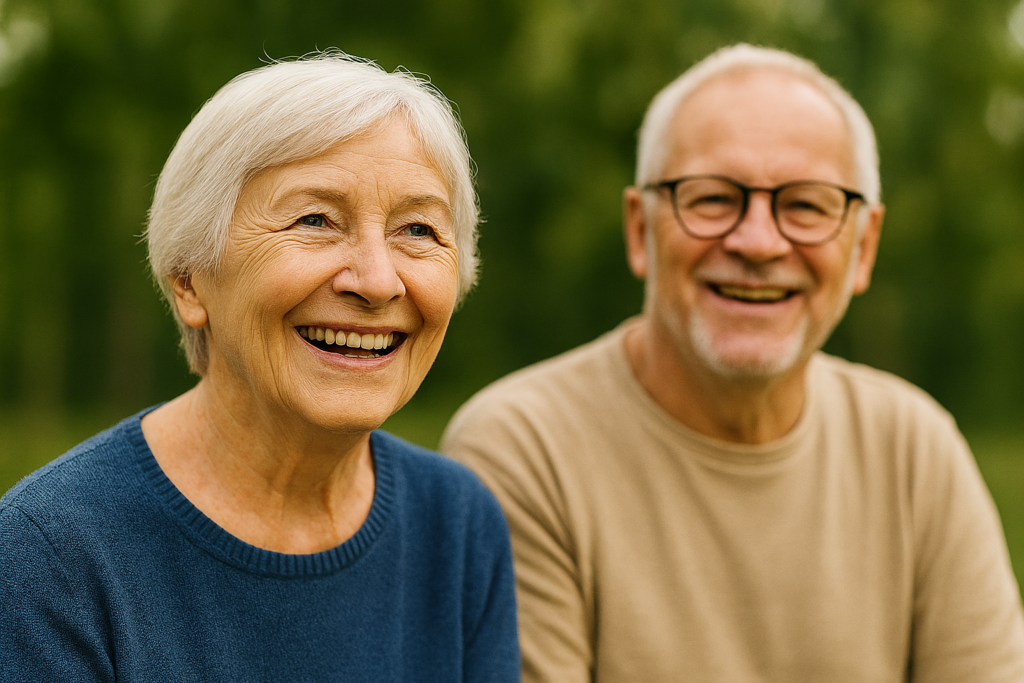
The findings show that healthy aging, according to the participants, involves two overarching aspects. The first relates to an inner drive to maintain motivation, curiosity, and the ability to adapt to the changes associated with aging. The second concerns having a sense of being needed and having one’s needs met, both in close relationships and within society at large.
Participants particularly emphasized the importance of maintaining autonomy, sustaining social connections, and remaining active in everyday life. At the same time, they described challenges related to, for example, health problems, experiences of loss, digitalization, and perceived uncertainty regarding the future of health and social care.
The study also demonstrates that older adults do not define health merely as the absence of disease, but rather as the ability to live a meaningful life. The findings are largely in line with the World Health Organization’s Healthy Ageing Framework, which highlights the interaction between individuals’ intrinsic capacities and their social and physical environments.
By highlighting older adults’ own experiences, the study contributes important insights for the development of interventions and societal structures that support healthy aging. The findings also underscore the need to ensure equitable opportunities for health in later life.
Read the full article here: https://rdcu.be/fdKyP